

Early Warning Signs of Retinal Detachment: When Eye Symptoms Are an Emergency

Most eye conditions develop gradually, but some vision problems appear without warning and require urgent care. Retinal detachment is one of them. While it is often painless, the symptoms can be dramatic and alarming. Recognizing these early signs and seeking emergency eye care right away is critical to protecting your eyesight.
What Is Retinal Detachment?
The retina is a thin layer of light-sensitive tissue lining the back of the eye. It plays a critical role in vision by sending visual signals to the brain. Retinal detachment occurs when this layer pulls away from its normal position, preventing it from functioning properly.
Once detached, the retina cannot receive oxygen and nutrients effectively. The longer it remains untreated, the greater the risk of permanent vision loss.
Early Warning Signs You Should Never Ignore
Retinal detachment is usually painless, which makes recognizing visual symptoms especially important. If you experience any of the following, seek emergency eye care immediately.
Sudden Increase in Floaters
Floaters are small specks, dots, or cobweb-like shapes that drift across your vision. While occasional floaters can be normal, a sudden shower of new floaters, especially if they appear all at once, can be an early sign of retinal detachment.
Flashes of Light
Brief flashes or streaks of light - often seen in peripheral vision - may indicate the retina is being pulled or torn. These flashes can occur even in dark environments or when your eyes are closed and should never be ignored.
A Dark Curtain or Shadow
Many people describe retinal detachment as a dark shadow, curtain, or veil moving across part of their visual field. This symptom often means the retina is already detaching and requires immediate treatment.
Blurred or Distorted Vision
Sudden blurriness, wavy vision, or difficulty focusing - especially in one eye - can be a warning sign that the retina is no longer functioning properly.
Reduced Peripheral Vision
If your side vision seems to be narrowing or disappearing, this could indicate that the detachment is spreading.
Who Is at Higher Risk?
While retinal detachment can happen to anyone, certain individuals are at higher risk, including:
- People with high levels of nearsightedness
- Individuals over age 50
- Those with a history of eye trauma or injury
- People who have had previous eye surgery, such as cataract surgery
- Individuals with a family history of retinal detachment
- Patients with certain retinal conditions or thinning of the retina
Even if you are not in a high-risk group, sudden visual changes should always be treated as urgent.
Why Immediate Eye Care Matters
Retinal detachment does not improve on its own. The success of treatment depends heavily on how quickly care is received. When detected early, treatments can often repair the retina and preserve vision. Delayed treatment significantly increases the risk of permanent vision loss or blindness.
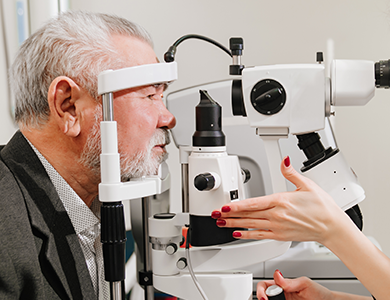
Emergency eye exams allow your optometrist to evaluate the retina, identify tears or detachments, and coordinate immediate referral for specialized retinal treatment when necessary.
Your Local Team for Eye Emergencies
Retinal detachment is a serious eye emergency, but early recognition can protect your vision. Sudden flashes, new floaters, dark shadows, or vision changes are never normal and should always be evaluated right away. Our team is equipped to evaluate urgent eye conditions and help you take the next critical steps to protect your sight.
If you are experiencing sudden vision changes, reach out to Coachella Valley Optometry right away for emergency eye care. Contact our office in Palm Springs, Cathedral City, Indio, or Coachella, California. Call (760) 203-6770, (760) 848-4771, (760) 347-6636, (760) 332-3553, or visit our website to book an appointment today.


© 2026. All rights Reserved. Accessibility Statement - Privacy Policy - Sitemap

Managed and Designed by:
